Long-Term Storage Solutions Using Shipping Containers
Long-term storage can require more planning than putting a few boxes away for a month. Your belongings may sit through changing seasons and temperature swings. Store your valuables in a location that keeps them dry, secure, and easy to access.
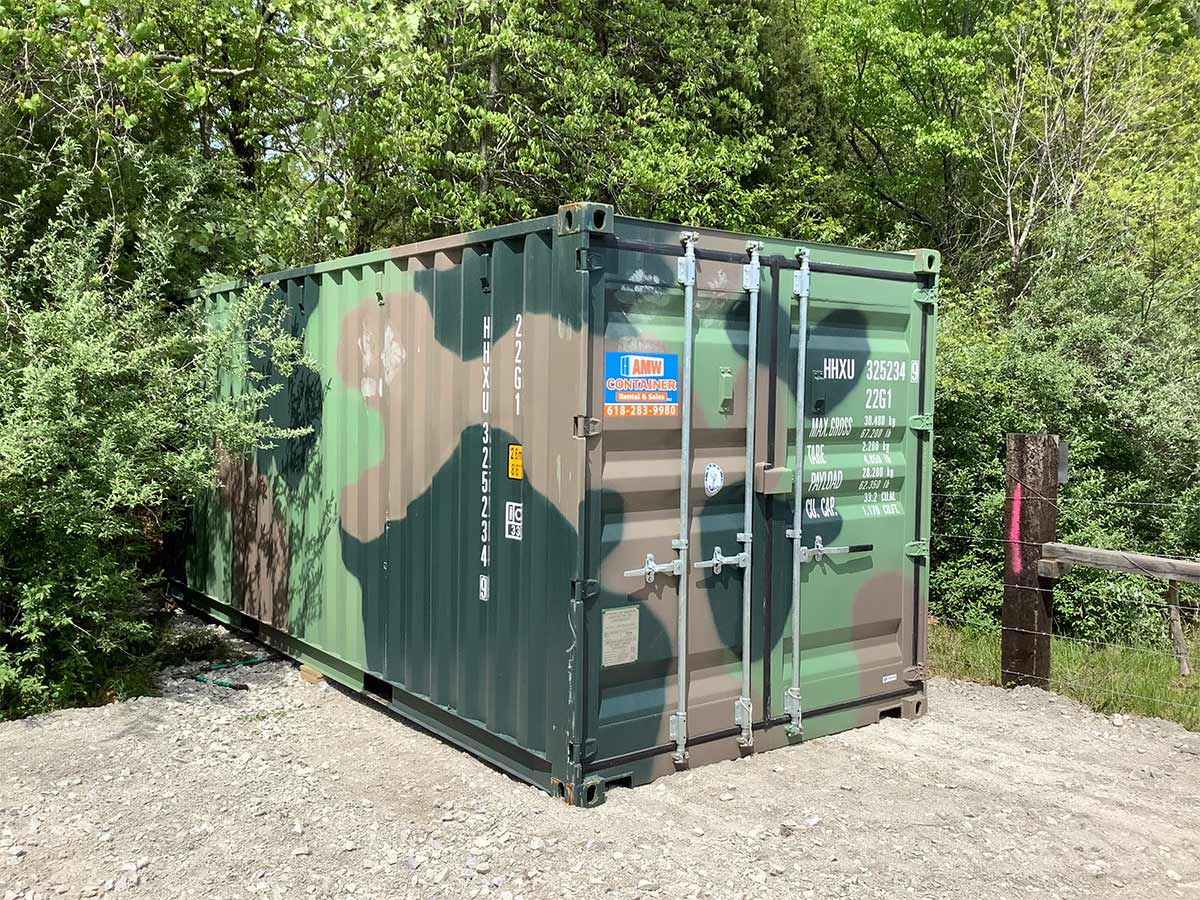
Shipping containers provide flexible long-term storage solutions for homeowners, businesses, and public organizations. Their steel construction, large interiors, and lockable doors make them well suited for storing equipment, tools, inventory, and household belongings. The container can stay on your property, so you do not have to make repeated trips to an off-site storage facility. AMW Container offers storage containers for sale and rent in several sizes and conditions. Our team can help you choose a container that fits your property and long-term storage needs.
What Is Considered Long-Term Storage?
Storage that lasts three months or longer is typically considered long-term storage. However, the right setup depends on more than the length. You should always consider:
- The Type of items you’re storing
- How often you’ll need access
- How weather changes may affect the contents
Downsizing or moving into a smaller home
Clearing space during a lengthy renovation
Storing inherited furniture and items
Managing business inventory
Protecting tools & materials at a job site
Keeping equipment & supplies organized
A good long-term storage plan protects your belongings while keeping them available when you need them.
Why Shipping Containers Work Well for Long-Term Storage
Shipping containers were designed to carry cargo through challenging environments. Their strong steel construction also makes them useful for secure storage on residential, agricultural, and commercial properties.
Keep Your Storage Close
An on-site container keeps your belongings near your home, business, or job site. You can access your stored items without driving to another facility or working around limited access hours. This is great for contractors who use equipment regularly, businesses that rotate inventory, and homeowners completing projects over several months.
Protect Items From Wind and Rain
A wind- and watertight container has doors and gaskets that seal properly to keep out rain and hold up against harsh weather. The steel walls also provide more protection than many traditional storage sheds. A standard storage container is weather resistant, but it is not automatically climate controlled. Temperature and humidity can still change inside the unit, so proper packing, ventilation, and moisture control remain important. If your belongings require a more stable environment, we also offer custom container options with climate control and HVAC systems.
Add a Secure Storage Space
Our storage containers have steel doors and locking rods. Many units also include a security lockbox that helps protect the padlock from tampering. You can place the container near your home, workplace, or another area. It gives you more control over who can access the storage space.
Choose a Size That Fits Your Property
Long-Term Storage Solutions for Homes and Businesses
Shipping containers can support many different storage needs. The best choice depends on the items being stored and the conditions they require.
Residential Storage
Business and Inventory Storage
Construction and Equipment Storage
Farm and Agricultural Storage
Choosing the Right Container for Long-Term Storage
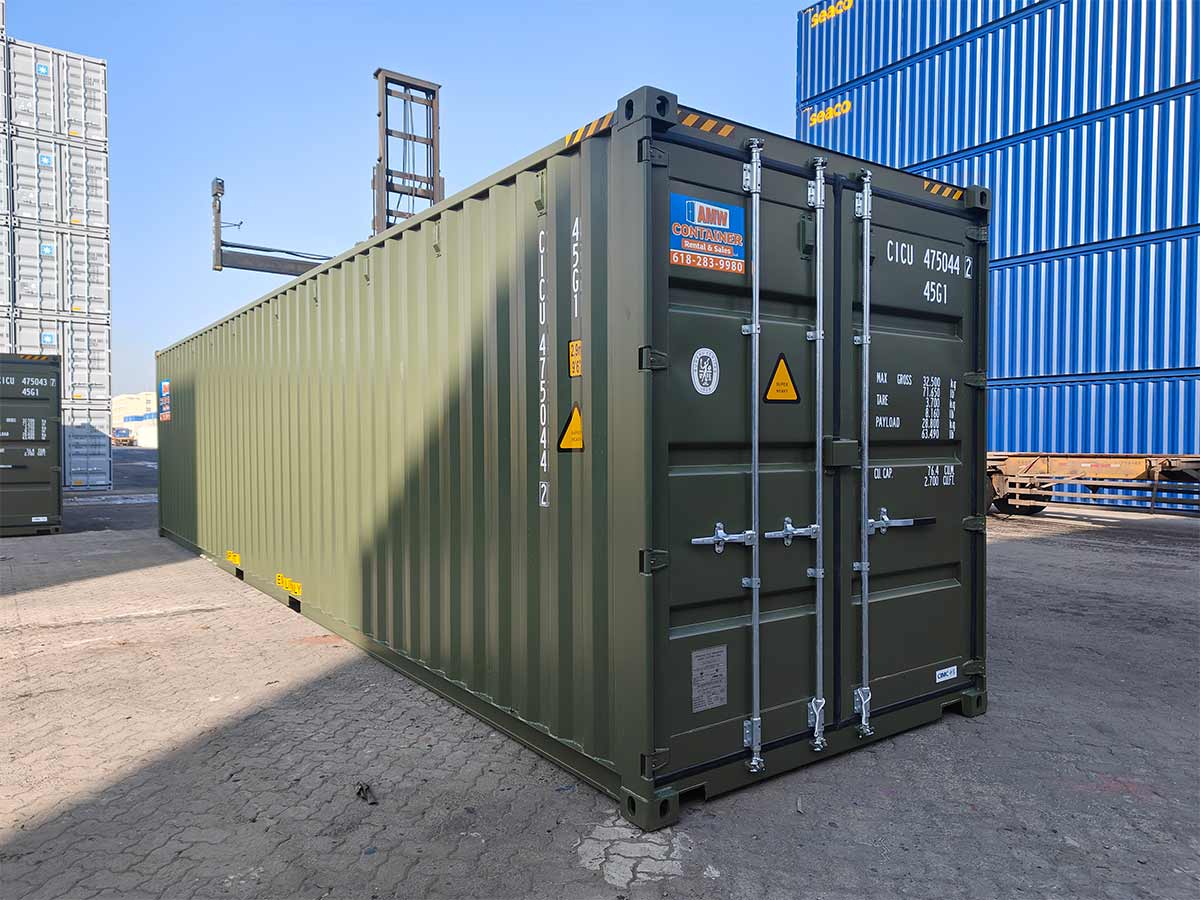
The right container depends on your available space, budget, and preferred appearance. AMW carries containers up to 40 feet long in various conditions. One-trip units have a nicer appearance, while cargo-worthy containers and wind- and watertight shortage containers provide practical weather-resistant storage at a lower cost.
How to Plan for Long-Term Storage
If you are planning to store items long-term, consider the durability of the items and where they will be placed. Thinking through the details can help you choose the right long-term storage plan and protect your belongings.
Consider the following questions:
- How many months or years will you need storage?
- Will you need regular access?
- Are any items temperature-sensitive?
- How much storage do you need?
- Where would you place a container for on-site storage?
- Does your property require a permit for long-term container placement?
- Would renting or buying make the most sense?
Your local zoning office can explain the rules for placing a shipping container on residential, agricultural, or commercial property.
Prepare for On-Site Container Delivery
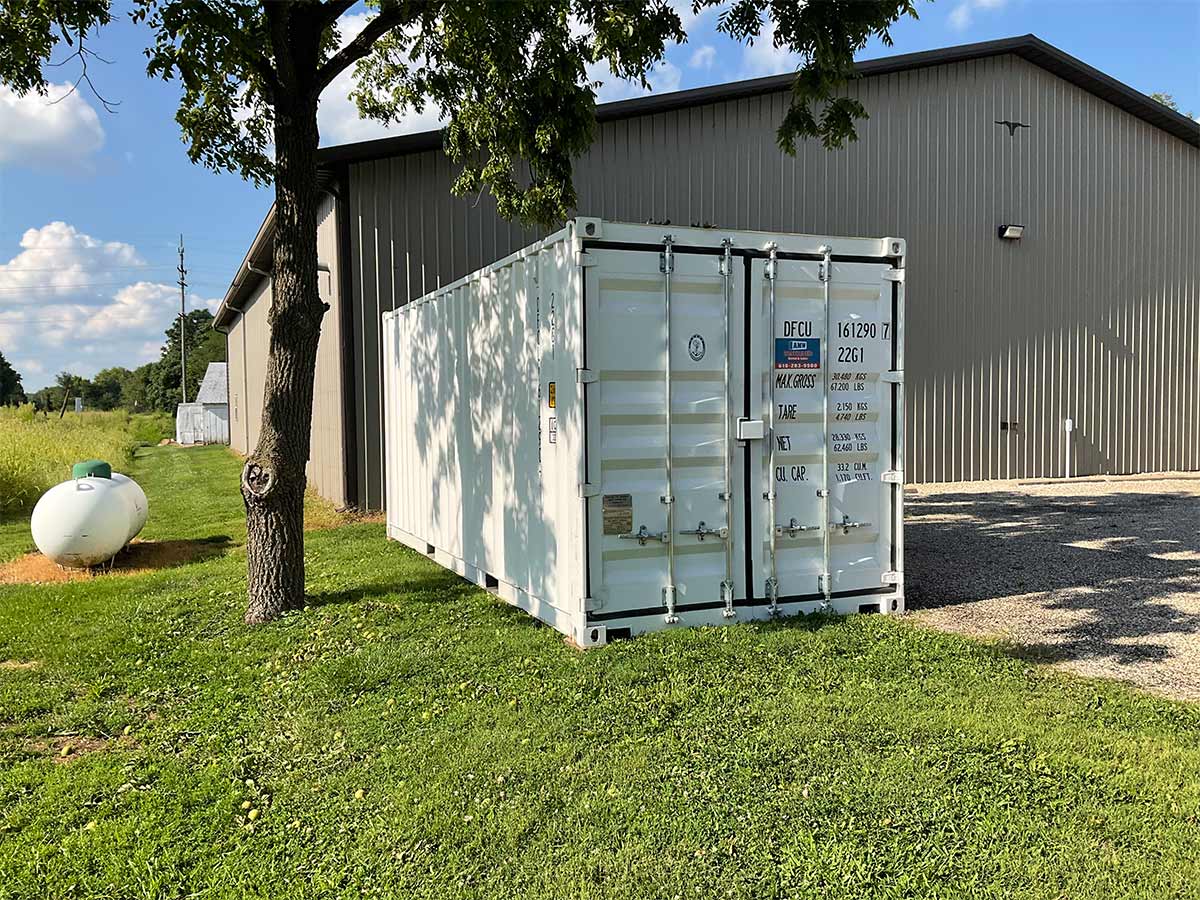
If long-term storage is right for you, an on-site shipping container can be delivered directly to your home or business. This keeps your belongings close and gives you convenient access as opposed to a storage facility. Before delivery, choose a firm, level area with enough room for the container. Prepared dirt, gravel, pavement, or concrete are all good placement locations. We use a tilt-bed trailer and a Mule forklift to deliver and provide precise placement of your storage container.
How to Pack for Long-Term Storage
The best way to store belongings for months or years is to clean, protect, and organize them. Small amounts of moisture, dirt, or residue can create larger problems over time.
Tips for Long-Term Storage
1. Clean & Dry Everything
Clean tools, equipment, furniture, and household items before storing them. Make sure every item is completely dry. Even a small amount of trapped moisture can lead to odor, mold, mildew, or corrosion over time.
2. Use Durable Storage Bins
Plastic bins with fitted lids provide more protection from dust and outside moisture than the typical cardboard boxes used for moving or storage. Having clear bins also makes it easier for you to identify what’s inside. Cardboard boxes can still be used for dry items, but they should be durable and kept off the floor regardless of the room.
3. Raise Items Off the Floor
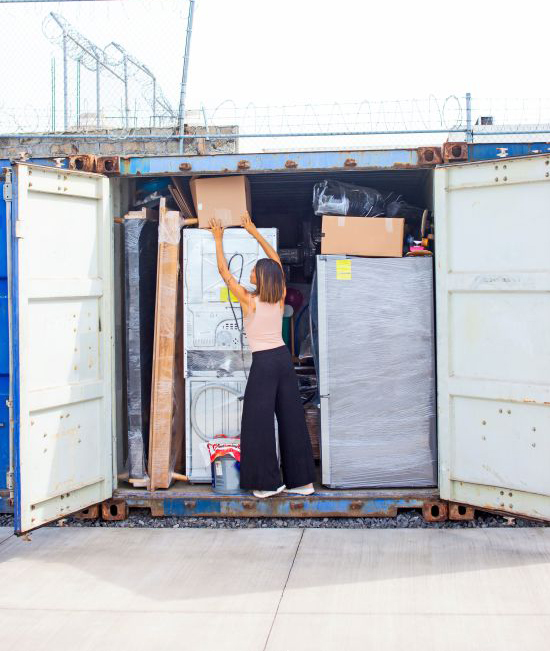
Place boxes, equipment, and furniture on pallets, shelving, or other supports. Raising items helps air move underneath them and provides additional protection if moisture is tracked into the container when you do eventually open it. Our wind- and watertight containers protect your belongings when closed, but excess moisture can enter every time you open the doors.
4. Protect Furniture Properly
Clean and dry furniture before storing. Use breathable furniture covers or moving blankets instead of wrapping everything tightly in plastic. Plastic can trap moisture against wood, fabric, and other materials.
Disassemble large furniture when possible. Keep screws and hardware in labeled bags attached to the corresponding item.
5. Create a Clear Walking Path
Do not pack the container from wall to wall without a way to reach the back. Leave a center aisle or organize the interior into sections. Place items you expect to use more often near the doors.
6. Label Your Stuff
Label bins and boxes, preferably on more than one side. Create a written or digital inventory that shows what is stored and where. Taking photos before closing the container can also make it easier to find items if you forget later on, especially if you’re storing items longer than 6 months.
7. Allow Air to Move
Avoid pressing furniture, boxes, and equipment tightly together and against the walls. Leaving some space throughout and in between items promotes better airflow and makes it easier to inspect things. Proper ventilation and moisture-control products can also help manage condensation. The right choice will depend on the items being stored.
How to Protect Equipment From Corrosion During Long-Term Storage
Businesses and farms often need a place to store equipment between projects, busy seasons, or scheduled maintenance. A storage container can keep tools and equipment together on-site, where employees can access them as needed. This can be useful for construction tools, equipment, replacement parts, supplies, farm attachments, and seasonal machinery.
Untreated metal equipment can corrode when it is exposed to excessive moisture, condensation, salt, and other chemicals. Fertilizer, road salt, soil, dust, and other residue can hold moisture against metal and cause damage during storage. A wind- and watertight container keeps rainwater from entering, but moisture can come from damp items and changes in air temperature.
Protect your tools and equipment by taking these steps:
- Wash away dirt, salt, fertilizer, and chemical residue.
- Let equipment dry completely before placing it in storage.
- Follow the manufacturer’s instructions for fluids, batteries, and fuel.
- Apply an appropriate rust inhibitor or protective coating to exposed metal.
- Lubricate moving parts according to the maintenance instructions.
- Place smaller tools in sealed bins or protective cases.
- Use pallets or supports to keep equipment off the floor.
- Leave space between equipment and the container walls.
- Consider desiccants, moisture absorbers, or ventilation.
- Inspect the equipment and container periodically.
Keeping the container at your farm or business makes inspecting it easier. You can check stored equipment throughout the season and address moisture or maintenance issues early on.
You shouldn’t store flammable products or other hazardous materials inside a standard storage container. Follow all product instructions, equipment maintenance guidelines, and local safety requirements.
Renting or Buying for Long-Term Storage
The right long-term storage plan depends on how long you expect to need storage.
AMW Containers has new and used storage containers in several sizes and conditions. Visit one of our locations to inspect available storage options.
Renting a Storage Container
Renting can make sense when you need storage for a project, move, renovation, or uncertain timeline. We offer flexible shipping container rentals with monthly billing. You can keep the container on-site and schedule pickup when you no longer need storage.
Buying a Storage Container
Buying may provide better long-term value when you expect to use the container for several years or have an ongoing need for extra space. Ownership also allows you to organize or modify the container if your needs change.