
Choose the Right Shipping Container Grade
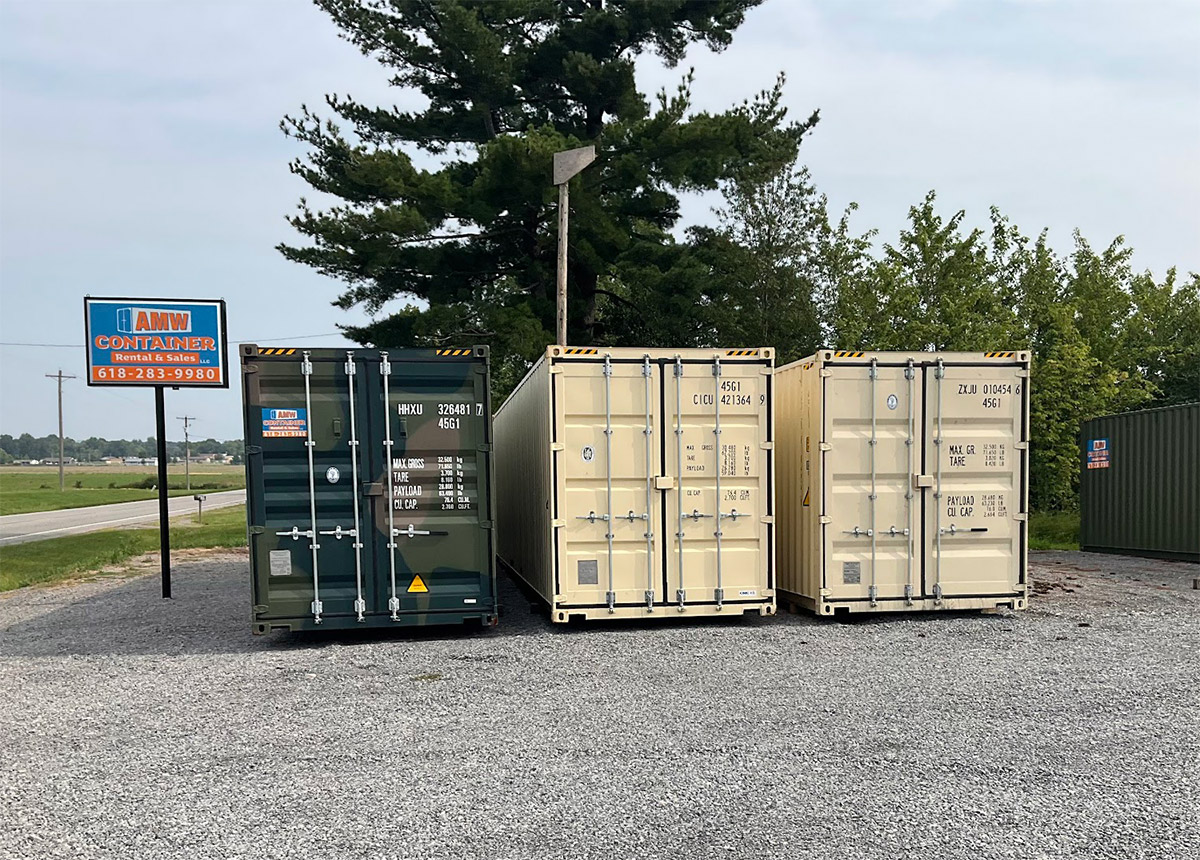
Many buyers do not realize that shipping containers have grades and classifications that describe their age, appearance, and structural condition. These container classifications can help you understand why one shipping container may look better or cost more than another. At AMW Container Sales and Rentals, we have “one-trip containers” that have a cleaner appearance and “wind and water tight” containers that ensure your belongings are securely stored within. Understanding the different shipping container grades and conditions can help you choose the best container for your needs without overpaying.
What Are the Grades of Shipping Containers?
Shipping container grades help describe a container’s age, structural condition, appearance, and suitability for different uses. These classifications can help you compare container options for storage, transportation, modifications, and other applications.
Common shipping container classifications include:
IICL Containers
Best for: Customers seeking a higher-quality used container who are comfortable paying more for a better condition.
IICL containers are from a leading trade association of the marine container leasing and chassis provider industry. These shipping containers meet inspections and criteria established by the Institute of International Container Lessors (IICL). Their standards generally require a higher level of condition than many other container classifications. An IICL container can still show signs of previous use, but it typically has fewer defects and costs more than other used options.
Cargo Worthy Containers
Best for: Cargo transportation, export applications, and secure storage.
Containers deemed “cargo worthy containers” are structurally suitable for transporting cargo. They may have dings, faded paint, surface rust, patches, and other cosmetic wear that does not jeopardize cargo safety. International shipping may require a current inspection and a valid Convention for Safe Containers (CSC) Safety Approval Plate, which shows that the container meets international safety standards. Buyers should confirm the container’s CSC inspection status before using it for export.
Wind and Watertight Containers
Best for: Affordable storage for homes, farms, businesses, and jobsites.
Wind and watertight containers prevent outside elements from entering under normal conditions. They commonly show visible signs of use and can have previous repairs. These types of containers are often an affordable option for secure storage at homes, farms, businesses, and various jobsites.
As-Is Containers
Best for: Buyers who can complete repairs or need a container for a specialized project where weather resistance and appearance matter less.
As-is containers are sold in their current condition without the same assurances associated with higher classifications. Their condition varies, and they may have holes, leaks, damaged floors, door malfunctions, extensive rust, or structural defects. They are the least expensive shipping container option, and buyers should inspect the container carefully and consider potential repair costs before purchasing one.
The shipping container industry does not use one universal cosmetic grading system. Terms such as Grade A, Grade B, and premium used may mean different things from one seller to another. Even two containers listed under the same classification can differ in appearance and wear. Always review the seller’s shipping container standards for container conditions, current photos, and any available inspection information before buying a container, whether it's for international shipping or extra home storage.
Storage Container Grades and Conditions
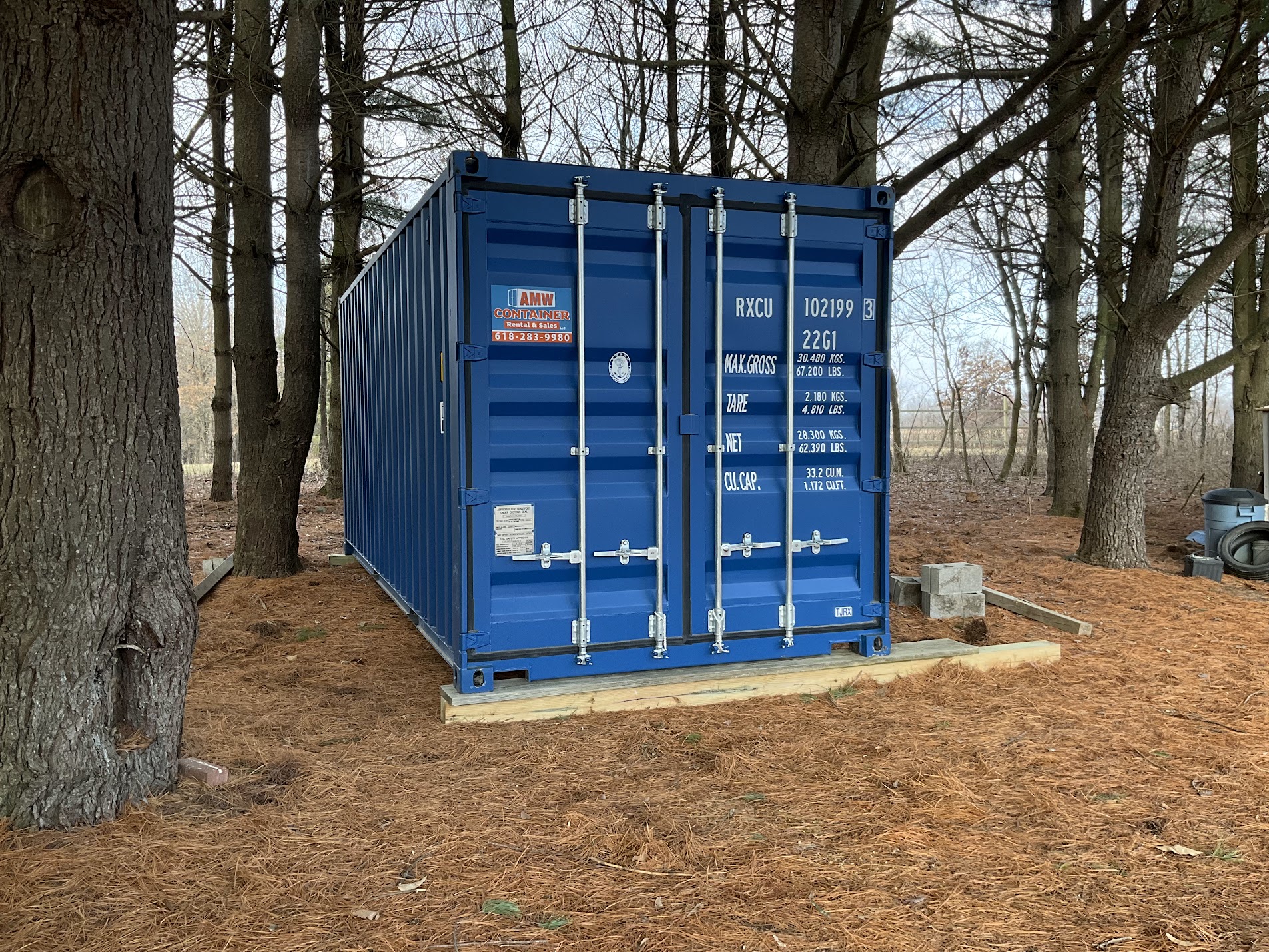
One-trip Storage Containers
Best appearance = One-trip Container
These are recently manufactured shipping containers for storage that have made a single trek to the United States. They look great and last a long time. If appearance matters and you want the lowest wear, this is the best choice for long-term shipping container storage.
- Less than 5 years old
- Have made a single trip
- 10, 20, & 40 foot long options
- Tight seals & clean floors
- Get a like-new look
- Longer lifespan
Good fit
- Driveways and customer-facing sites
- Long-term storage with a clean look
Cargo-worthy Containers
Most Durable = Cargo-worthy or Wind & Watertight Containers
- Between 5 and 15 years old
- Have made multiple trips
- Watertight Construction
- Visible wear
- Available in 20 or 40 foot sizes
Good fit
- Heavy tools and equipment
- Long-term yard or jobsite storage
- Customers who value a structural rating
- Customers who’d want to export in the future
Wind & Watertight Storage Containers
When you see wind and watertight containers or WWT storage containers, think of weather-sealed storage. A wind and watertight unit keeps out rain and wind, so your items stay dry. The storage container itself is the same used steel body you see in a cargo-worthy container, but it is more budget-friendly than a certified cargo-worthy container.
- 20 and 40 foot models
- 5-15 years old
- Visible cosmetic wear is common
- Watertight
Good fit
- Budget-friendly
- Farms and overflow inventory
- Customers who value function
How Are Shipping Containers Graded?
Shipping container grading involves evaluating the unit’s structural condition, weather resistance, appearance, and suitability for a specific use like international shipping. Inspectors and sellers typically examine several parts of the container before assigning a condition such as one trip, IICL, cargo worthy, wind and watertight, or as is.
The inspection usually covers:
Frame and structural components
The corner posts, rails, crossmembers, and corner castings are checked for significant damage or corrosion.
Weather resistance
The container may be checked for openings that allow wind, water, or daylight to enter.
Roof and walls
Exterior appearance
Faded paint, surface rust, dents, patches, shipping labels, and other signs of use help describe the container’s visual condition.
Cargo doors
The doors, hinges, locking bars, handles, and seals are checked to confirm how well they operate and close.
Transportation requirements
A container used for international shipping may require a professional inspection, current certification, and a valid Convention for Safe Containers (CSC) Safety Approval Plate.
Flooring
The floor is reviewed for cracks, soft spots, holes, stains, odors, and other damage that could affect storage or future modifications.
A shipping container grade does not describe every dent, stain, repair, or cosmetic detail. The industry does not use one universal cosmetic grading system, so definitions and acceptable wear can vary from seller to seller. Two containers listed under the same grade may look different or show different signs of previous use. You should review current photos, read the seller’s condition standards, and ask what the advertised grade guarantees.
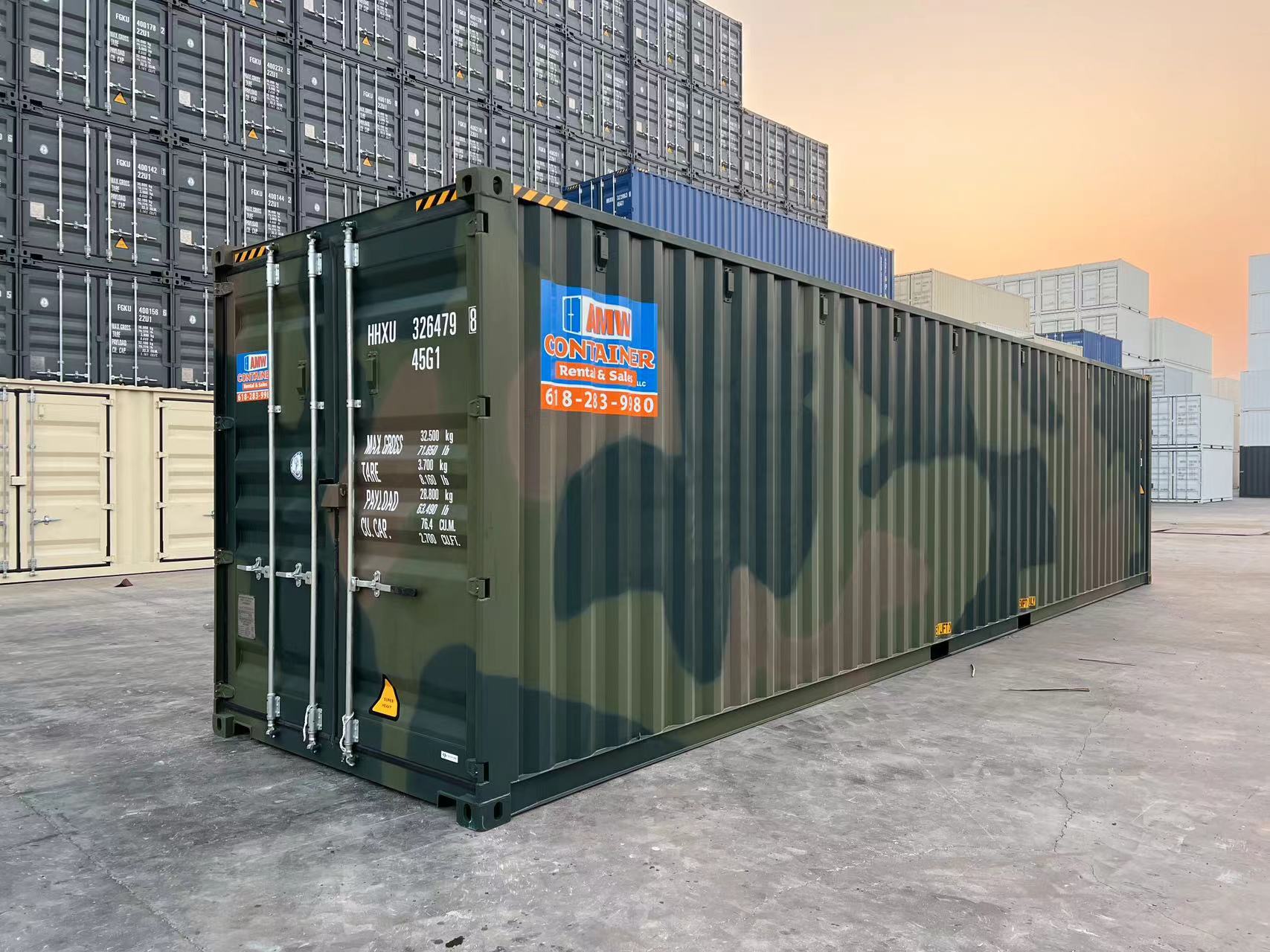
Our Transparent Container Selection Process
We believe buyers should know exactly what to expect before purchasing a shipping container. Our team clearly explains each container’s condition and encourages customers to visit one of our locations to compare available options in person. We can also send photos to confirm the condition before purchase. We take extra care throughout the selection process to help every customer feel confident and satisfied with their container.
What to Look for When Viewing a Container?
When browsing containers for storage or office use, consider how much cosmetic wear you will accept and whether the container fits how you plan on using it. Open and close the cargo doors, and check that the seals remain intact for yourself. You should also review visible imperfections and repairs, especially around the rails and corners.
Compare Shipping Container Grades
The right shipping container grade depends on how you plan to use the container and which qualities matter most to you. Some buyers need a container office with a clean exterior for their business or custom project. Others care more about security and weather-resistant storage, and do not mind visible marks, faded paint, or surface rust.
Ask yourself these questions as you compare shipping container grades:
- Will customers, employees, or neighbors regularly see the container?
- Do I need the container for personal storage or an office, and do I want to make modifications?
- How important are its color and exterior appearance?
- Am I comfortable with dents, surface rust, patches, or other cosmetic wear?
- Will I keep the container in one location, or will I use it to transport cargo?
- Do I want to pay more for a newer container with less wear?
- Am I prepared to complete welding repairs in the future if I choose a lower-cost option?
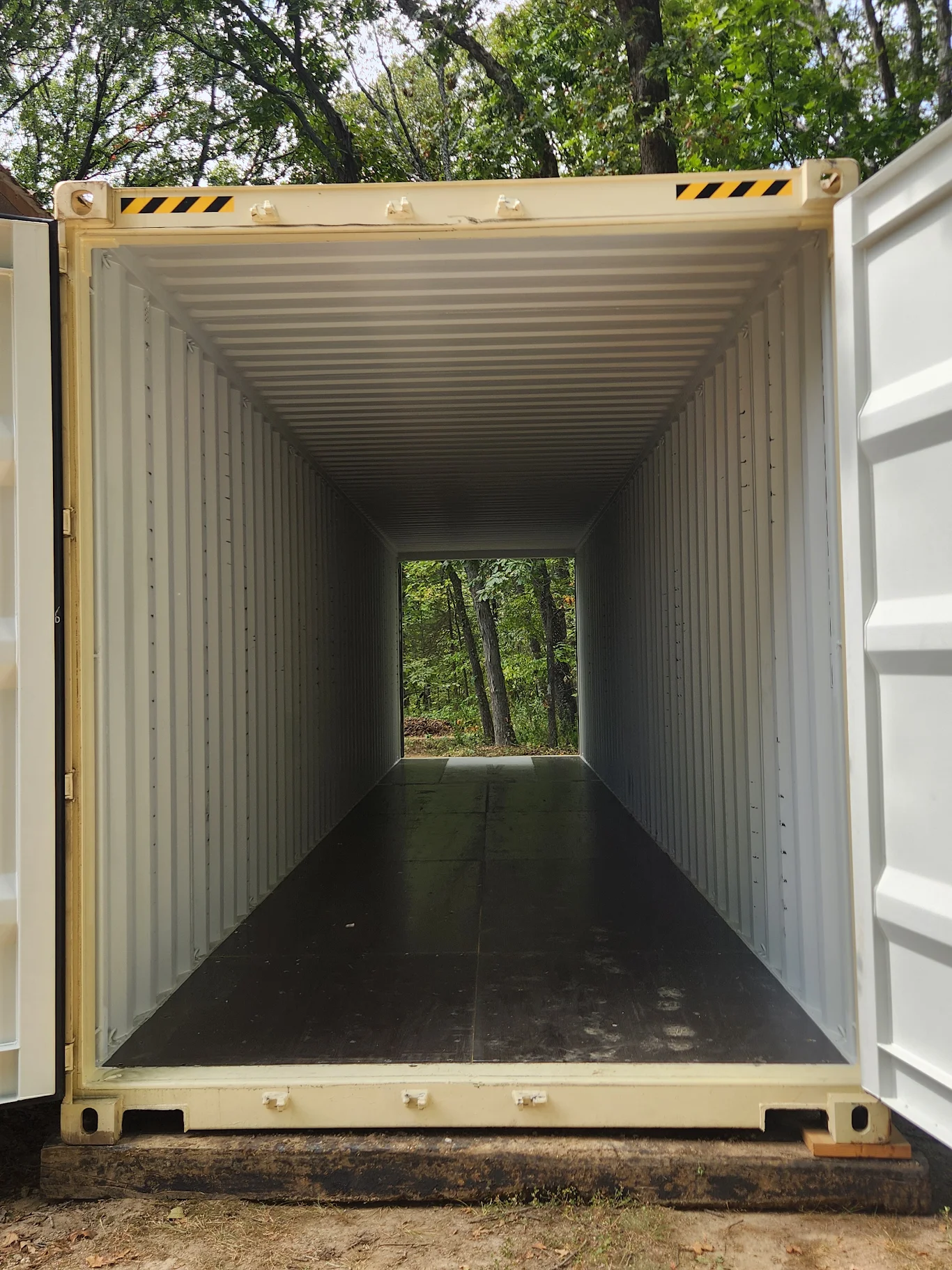
AMW Container Sales and Rentals offers one trip, wind and watertight, and cargo-worthy shipping containers for storage, offices, and custom upgrades. Our container options allow homeowners, farmers, contractors, and business owners to choose the condition that fits their needs and budget. You have a wide range of length, color, and condition options to browse, see, and decide from.
We also have lower-cost as-is shipping containers with more visible marks for people who value appearance less. Used containers with more exterior blemishes may suit customers who can manage repairs or need a lower-cost unit for a specialized project. Our team can help you compare your options and choose a shipping container condition that fits your intended use and priorities.
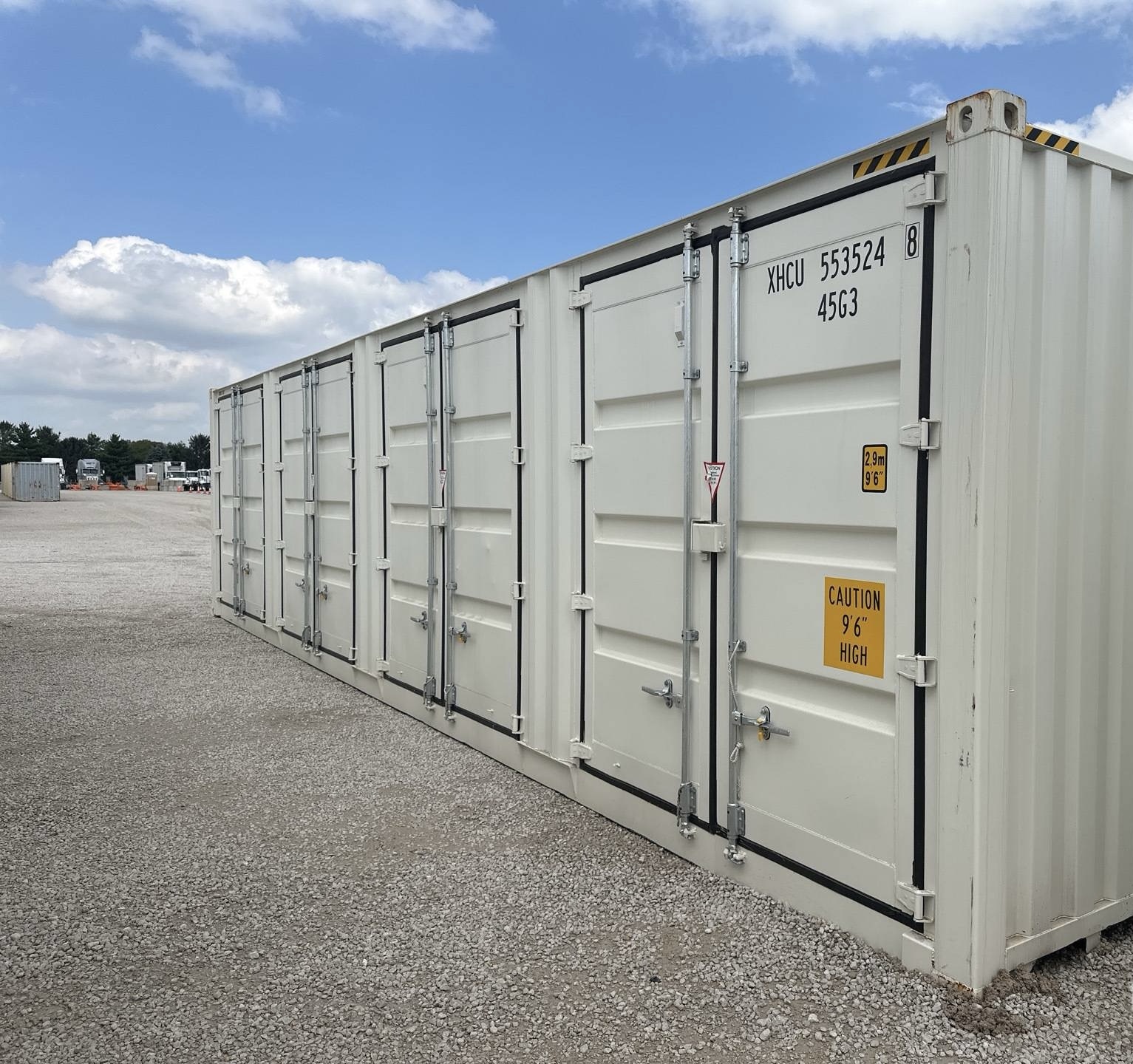
How Container Condition Affects the Price
New and secondhand shipping container prices vary based on grade, age, appearance, and overall condition. Even containers within the same grade can have different price points. One-trip containers typically cost more because they are newer and have fewer repairs and cosmetic flaws, while cargo-worthy containers generally cost less than one-trip containers but may cost more than units intended only for stationary storage. Wind and watertight containers provide a more affordable option for customers who need protected storage. As-is containers usually have the lowest prices because they may have leaks, extensive rust, damaged floors, difficult doors, or structural wear.
Get Help Choosing a Shipping Container
AMW Container makes it easier to find a container that fits your needs, expectations, and budget. Our team can help you compare container grades and how much visible wear you will accept at one of our locations. You can buy or rent shipping containers for household storage, business inventory, farm supplies, jobsite equipment, and other storage needs. We also offer shipping container offices and custom upgrades for customers who need practical workspaces. Customers recommend us for our fair pricing, responsive communication, and attention to detail. Our team will answer all of your questions throughout the entire process and take the time to ensure you feel completely satisfied with your shipping container purchase and placement.
Questions About Shipping Container Grades
What is a Grade A shipping container?
Can a wind and watertight container have rust or dents?
Can I use a wind and watertight container for overseas shipping?
Does cargo worthy mean a container has a current CSC inspection?
No. Cargo worthy describes a container that is structurally suitable for transporting cargo, but it does not guarantee an in-date Convention for Safe Containers (CSC) examination or a valid Safety Approval Plate.
Which shipping container grade is best for a storage container?
The best value in stationary storage is wind and water tight containers since they protect stored items from the elements. A one-trip container may also suit buyers who want a more polished look with minimum imperfections. The best option depends on what you plan to store, where you will place the container, and how much cosmetic wear you'll accept.